Fire Alarm Systems

Fire Alarm Installation & Maintenance Across Hampshire, Surrey and Berkshire

Early fire detection is essential for protecting people, property and premises. Whether you need a fire alarm system for your home, office, school or commercial building, choosing the right equipment and ensuring it is correctly installed and maintained are important parts of fire safety.

Sleeptight Security provides domestic and commercial fire alarm installation, servicing and maintenance across Hampshire, Surrey and Berkshire.

From smoke and heat detection in residential properties to more comprehensive fire detection and alarm systems for businesses, we help customers identify solutions appropriate for their buildings, occupancy and fire safety requirements.


Professional Fire Alarm Installation & Maintenance

A fire alarm system is designed to detect signs of fire and provide an early warning, allowing occupants to respond and follow the building's emergency procedures.

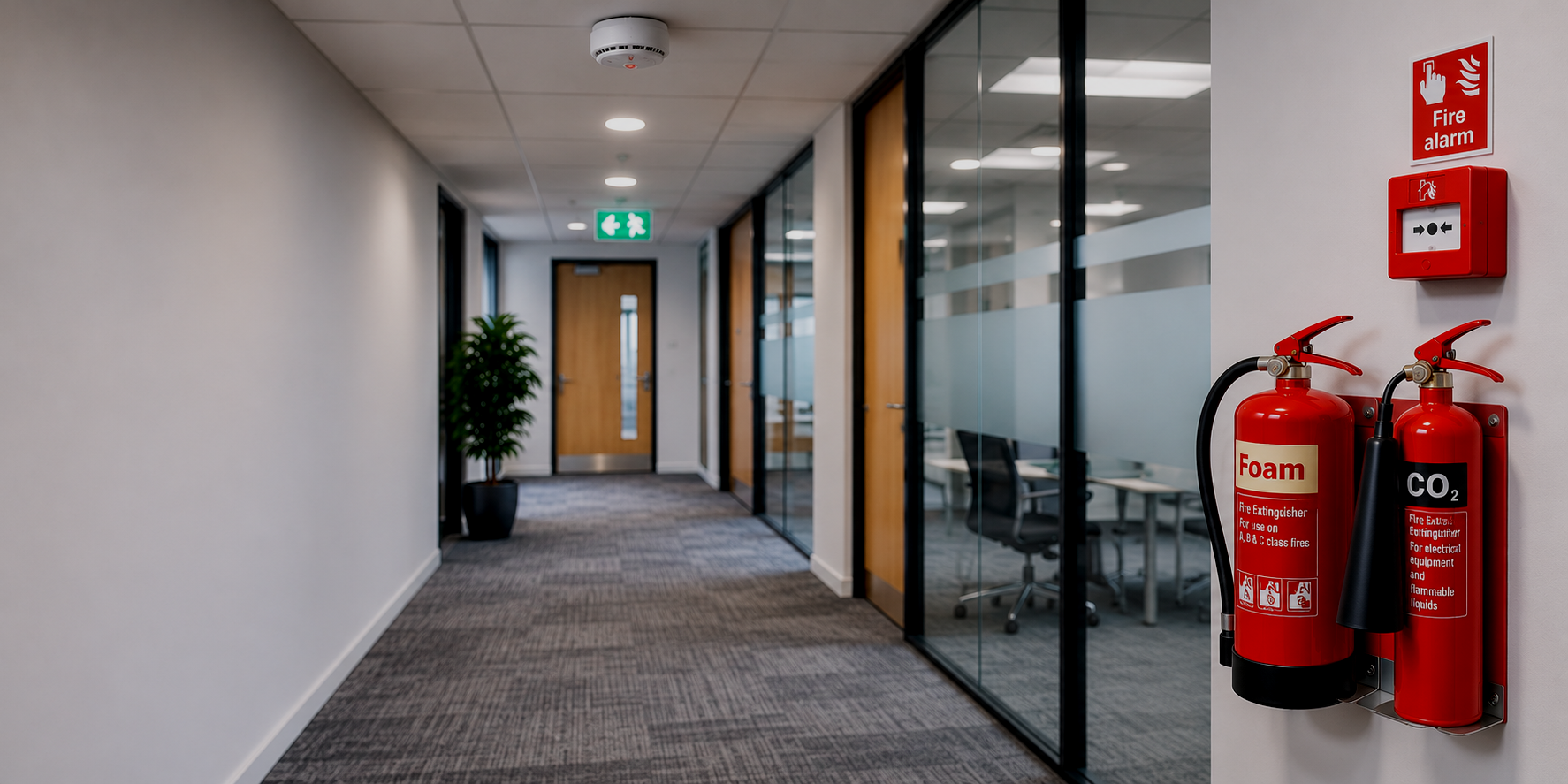
Different properties require different levels of protection. A domestic installation may involve interconnected smoke and heat alarms, while a commercial building may require a more extensive system with multiple detection zones, manual call points and sounders.

Our fire alarm services include:

  • Fire alarm installation – systems selected according to the property's requirements.

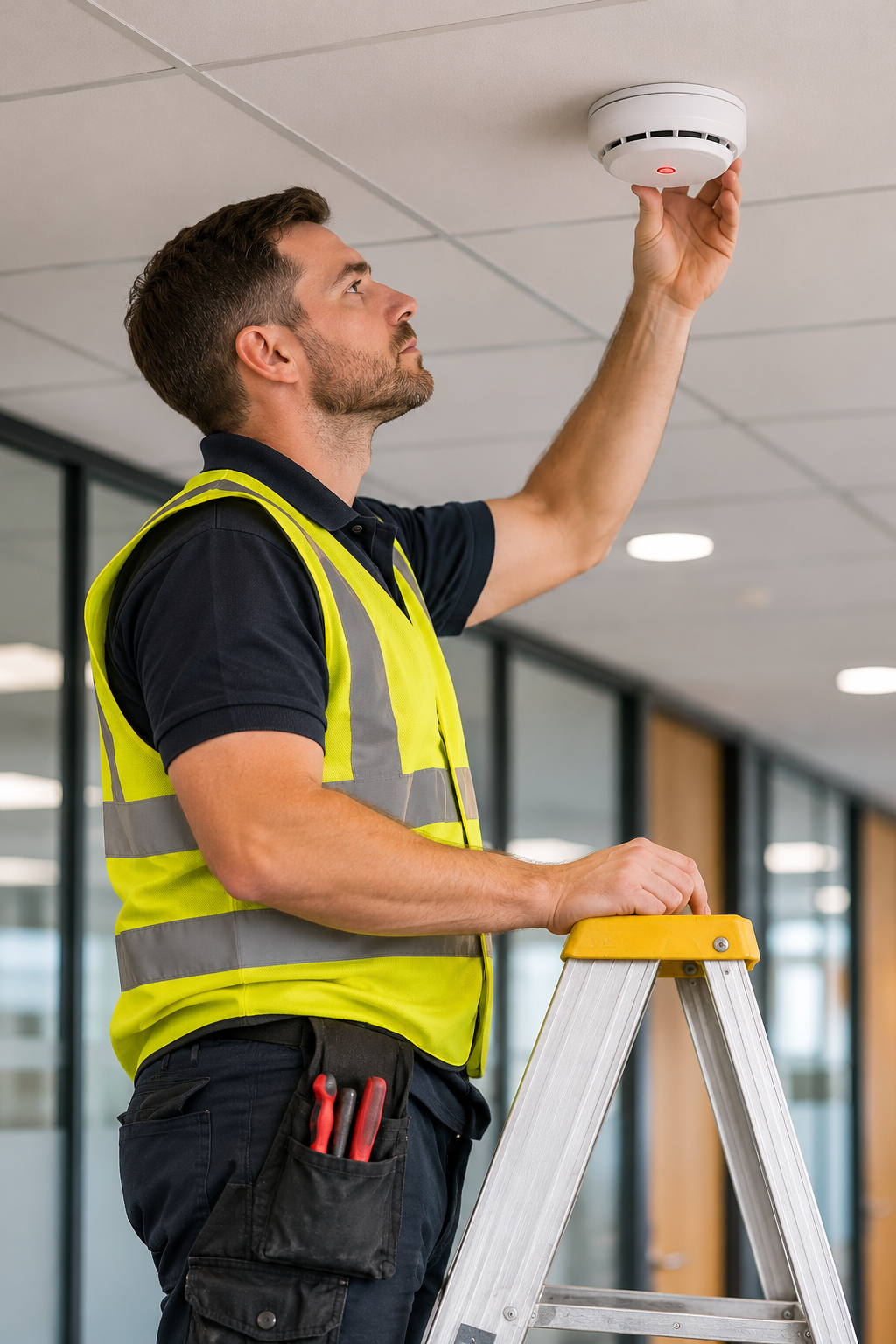
  • Fire alarm servicing – scheduled inspection and maintenance of installed systems.

  • Fire alarm fault-finding – investigation of reported faults and system issues.

  • Fire alarm upgrades – reviewing existing equipment and potential improvements.

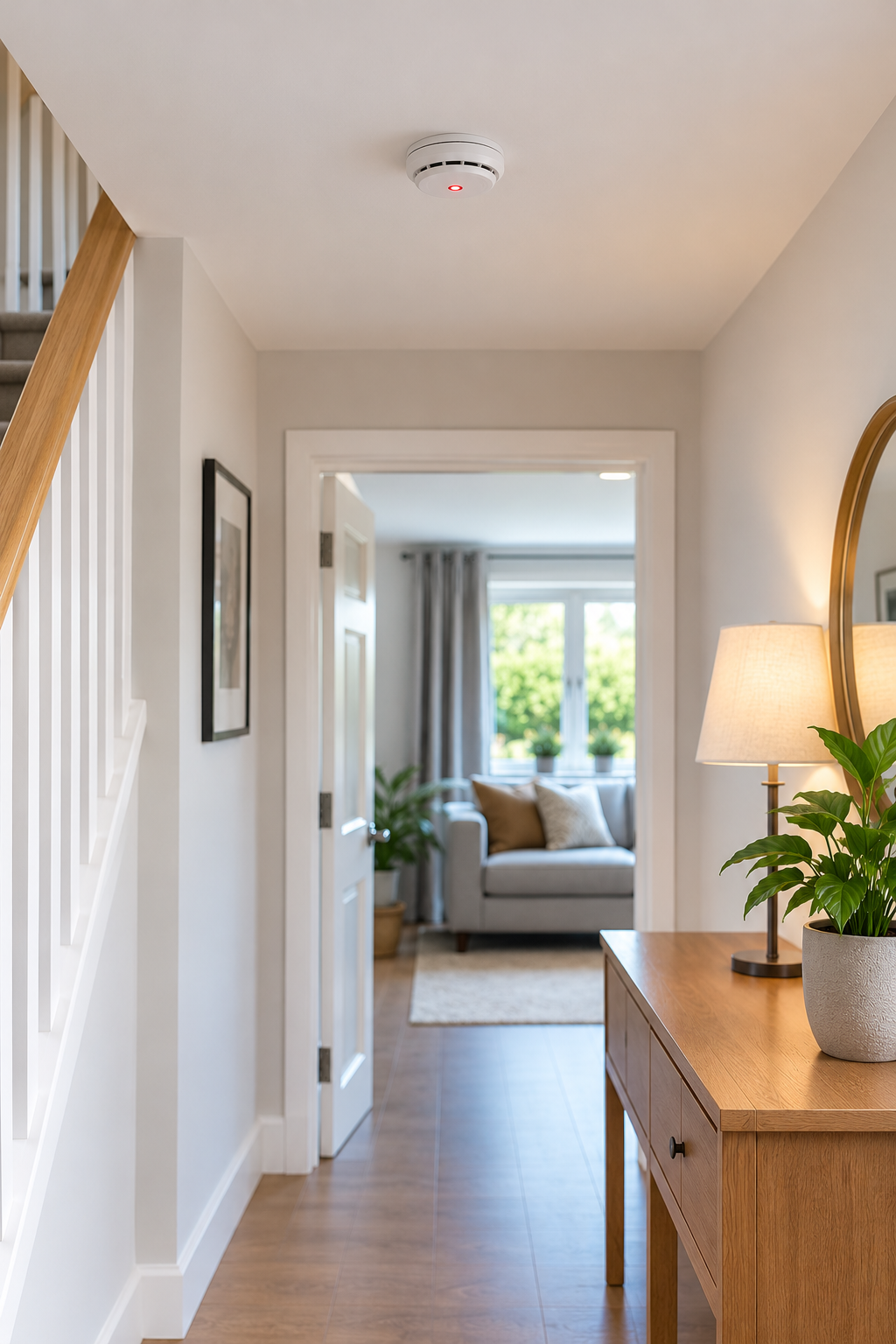
  • Domestic fire detection – smoke and heat alarm solutions for residential properties.

  • Commercial fire detection – systems for offices, schools, retail and other business premises.

The appropriate system should be determined by the building's fire risk assessment, applicable standards and relevant fire safety requirements.

Conventional Fire Alarm Systems

Conventional fire alarms divide a building into detection zones. When activated, the control panel identifies the affected zone rather than the individual device. These systems can be suitable for smaller commercial premises.

Addressable Fire Alarm Systems

Addressable fire alarms identify individual devices connected to the control panel, helping locate an activation more precisely. They are commonly used in larger or more complex commercial buildings.

Wireless Fire Alarm Systems

Wireless fire alarms communicate using radio signals, reducing the need for extensive cabling. They can be useful in existing buildings or properties where installing cables would be disruptive.

Domestic Smoke & Heat Alarms

Smoke and heat alarms provide early warning of fire in residential properties. Interlinked alarms can provide wider warning coverage by activating compatible devices throughout the home.

Hybrid Fire Alarm Systems

Hybrid systems combine wired and wireless fire alarm components. They can offer flexibility when extending or upgrading an existing installation, subject to equipment compatibility and system design.


Commercial Fire Alarm Systems

Businesses have responsibilities for fire safety, including assessing fire risks and implementing appropriate precautions.

Depending on the premises, a suitable fire detection and alarm system may be an important part of meeting those responsibilities.

Sleeptight Security works with commercial customers across Hampshire, Surrey and Berkshire, helping them consider fire alarm requirements for a range of buildings.

Offices & Commercial Buildings

Fire detection arrangements may need to account for multiple floors, meeting rooms, shared areas and changing occupancy.

Schools & Educational Premises

Educational buildings require careful consideration of occupancy, evacuation arrangements and the needs of pupils, staff and visitors.

Warehouses & Industrial Premises

Larger buildings may present particular challenges involving ceiling heights, environmental conditions, machinery and storage arrangements.

Retail & Hospitality Premises

Fire alarm systems should be appropriate for the building layout, occupancy and emergency procedures, including areas accessible to members of the public.


Domestic Fire Alarm Installation

Fire detection is equally important in residential properties.

Smoke and heat alarms provide an early warning of potential fire, helping occupants respond before conditions become more dangerous.

Depending on the property and applicable requirements, domestic fire alarm solutions may include:

  • Interlinked smoke alarms

  • Heat alarms for suitable locations such as kitchens

  • Mains-powered alarms with backup power

  • Compatible wireless interlinked alarms

  • Replacement or upgrading of existing detection equipment

The appropriate number, type and positioning of alarms depend on the property, its layout and relevant fire safety guidance.


Fire Alarm Servicing & Maintenance

Installing a fire alarm system is only part of maintaining effective fire protection.

Regular inspection, testing and servicing help identify faults, damaged equipment, power supply problems and other issues that could affect system performance.

Commercial fire alarm systems should be maintained in accordance with applicable standards, manufacturer instructions and the premises' fire safety arrangements.

Maintenance considerations may include:

  • Checking the fire alarm control panel

  • Testing appropriate detection and alarm devices

  • Inspecting manual call points and sounders

  • Reviewing power supplies and standby batteries

  • Investigating faults and warning indications

  • Recording inspection and maintenance findings

The frequency and scope of servicing depend on the system and applicable requirements.


Fire Alarm Upgrades & Fault-Finding

Existing fire alarm systems may require attention as equipment ages, buildings change or faults develop.

Warning indications, unwanted alarms and equipment failures should be investigated rather than ignored.

Changes to the building layout or its use may also affect whether the existing detection and alarm arrangements remain suitable.

Sleeptight Security can discuss fire alarm fault-finding, servicing and potential upgrades based on the installed equipment and property requirements.

Fire Alarm Regulations & Responsibilities

Fire safety requirements vary depending on the type of property, its use and the relevant legislation.

For commercial premises in England and Wales, the Regulatory Reform (Fire Safety) Order 2005 places duties on the responsible person to assess fire risks and implement appropriate precautions.

Where a fire detection and alarm system is necessary, its design, installation and maintenance should reflect the findings of the fire risk assessment and relevant standards, including BS 5839-1 for non-domestic premises.

Domestic fire detection is generally considered with reference to BS 5839-6 and applicable building or housing requirements.

A fire alarm installation does not replace the need for a suitable
fire risk assessment, evacuation arrangements or other required
fire precautions.

 

Fire Alarms as Part of a Wider Security Solution

Fire detection and security systems serve different purposes, but both contribute to protecting a property and its occupants.

Depending on the building and equipment compatibility, fire safety arrangements may need to be coordinated with other systems, including access control systems to support safe emergency escape.

For wider property protection, Sleeptight Security also provides CCTV installation and intruder alarm systems.

Any integration affecting fire safety must be appropriately designed and assessed.

Why Choose Sleeptight Security for Fire Alarm Systems?

Choosing the right fire alarm system is an important part of protecting your property and its occupants. Sleeptight Security provides a practical, personal approach to fire alarm installation, servicing and maintenance for homes and businesses across Hampshire, Surrey and Berkshire.

Domestic & Commercial Solutions

Fire alarm solutions for residential properties, offices, schools and commercial premises, taking account of different building requirements.

Installation & Maintenance

Support with new fire alarm installations, servicing, fault-finding and upgrades to existing systems.

Solutions Tailored to Your Property

A considered approach to the building layout, occupancy and fire detection requirements, rather than a one-size-fits-all solution.

Clear, Practical Advice

Straightforward guidance on suitable fire alarm options, maintenance considerations and potential system improvements.

Local, Family-Run Business

A personal approach from a security company based on the Hampshire and Surrey border, serving customers across the surrounding region.

Frequently Asked Questions About Fire Alarm Systems

What is the difference between a conventional and an addressable fire alarm system?

Conventional fire alarm systems identify the zone in which an alarm has activated. Addressable systems can identify individual devices, making it easier to locate the source of an activation in larger or more complex buildings.

Do commercial premises need a fire alarm system?

Fire alarm requirements depend on the building, its use and the findings of a suitable fire risk assessment. Some commercial premises require comprehensive fire detection and alarm systems, while others may have different arrangements. The responsible person must ensure appropriate fire safety precautions are in place.

How often should a commercial fire alarm be serviced?

BS 5839-1 generally recommends periodic inspection and servicing by a competent person at intervals not exceeding six months. Additional maintenance may be required depending on the premises, system and fire risk assessment. Routine user testing is also important.

Can wireless fire alarms be installed in commercial buildings?

Yes. Suitable wireless fire alarm systems can be installed in certain commercial buildings, particularly where extensive cabling would be disruptive. The system must be appropriately designed, installed and maintained to meet the relevant requirements.

What is the difference between a smoke alarm and a heat alarm?

Smoke alarms respond to smoke particles, while heat alarms respond to temperature conditions. Smoke alarms are commonly used in circulation spaces and living areas, while heat alarms may be more appropriate for kitchens. The correct detector type and location depend on the property and applicable fire safety guidance.

Can an existing fire alarm system be upgraded?

Many existing fire alarm systems can be upgraded or extended. This depends on the condition of the equipment, compatibility with new devices, the building layout and current fire safety requirements. An assessment can help determine whether an upgrade or replacement is appropriate.

What happens to a fire alarm during a power cut?

Fire alarm systems designed to relevant standards generally incorporate standby battery power so they can continue operating if the mains supply fails. The required standby capacity and duration depend on the system design and applicable requirements.

Do domestic fire alarms need regular maintenance?

Yes. Domestic smoke and heat alarms should be tested and maintained in accordance with the manufacturer's instructions. Batteries or complete alarm units should be replaced when required, and faulty alarms should be investigated promptly.

Discuss Your Fire Alarm Requirements

Whether you need fire detection for your home, a new commercial fire alarm installation or maintenance of an existing system, Sleeptight Security can help you explore suitable options.

We work with homeowners, businesses and organisations across Hampshire, Surrey and Berkshire.

Contact Sleeptight Security to discuss your fire alarm installation, servicing or maintenance requirements.